Energy efficient modular farmhouses
Why farmhouses?
Modulus housing is a modular construction tech startup based out of IIT Madras. They specialize in building rapid, affordable, portable social structures catering majorly to the Indian government and CSRs partnered with NGOs.
In their efforts to diversify their offerings, I, as head of strategy, was assigned to create cyclical revenue.
Working with the co-founders, we stated that the ideal market to go after would be residential construction, in the sub-segment of low-rise buildings. With this in mind, the firm decided to first tackle the farmhouse market, considering the market and product relatedness the hospitality industry had with the residential industry.
Modulus’ strengths
Modulus has done more than 1000 projects all across India. They specialised in
Speed of deployment
Working in highly remote locations with no electricity and water
High scale production
Market research
Market Customer value Market size In dollars Global number of resort owners - TAM $40000 1,160,948 $46.4 billion Resort owners in India $40000 15172 $606 million Resort owners in rural areas $40000 4833 $190 million
User research
User Persona 1: High Net-Worth Individual (HNI) - "Eco-conscious Vasu"
Background:
Age: 45-60
Occupation: Senior Executive/Entrepreneur
Location: Urban centers, looking for rural or semi-rural second homes
Interests: Sustainability, privacy, luxury living, and investment in real estate
Goals:
To invest in a sustainable, eco-friendly luxury home that doubles as a retreat and a potential agritourism venture.
To own a unique property that stands out in terms of design, sustainability, and self-sufficiency.
Pain Points:
Lack of On-site Construction Management: Vasu is busy and cannot oversee the construction process in remote locations.
Sustainability Requirements: Interested in off-grid living but concerned about the reliability of renewable energy solutions.
Government Regulations: Uncertain about navigating local building codes and environmental regulations.
Construction Timeline: Wants rapid construction without compromising on quality or customizations.
User Persona 2: Small Resort Owner - "Entrepreneurial Nithin"
Background:
Age: 30-50
Occupation: Resort Owner/Manager
Location: Semi-rural or rural tourist destinations
Interests: Expanding business operations, sustainable tourism, creating unique guest experiences
Goals:
To expand lodging options quickly to capitalize on peak tourism seasons without a significant upfront investment.
To offer guests unique, sustainable lodging experiences that align with the eco-tourism trend.
Pain Points:
Project Management Challenges: Nithin lacks the resources to manage construction projects in remote locations.
Utility Access: Concerned about providing guests with modern amenities in off-grid settings.
Regulatory Hurdles: Needs to comply with local zoning laws and tourism regulations, which can be complex.
Extended Construction Times: Traditional building methods are too slow, risking lost revenue during the construction phase.
Solutions Modulus Housing Can Offer:
Modular Construction: Addresses the pain point of high construction time, especially in remote locations, by offering rapid deployment capabilities.
Sustainability Focus: Offers energy-efficient solutions with options for solar panels, biodigesters, and more, appealing to eco-conscious clients.
Turnkey Solutions: Provides comprehensive project management from design through completion, alleviating the need for clients to manage the process.
Regulatory Expertise: Assists with navigating government regulations and obtaining necessary permits, simplifying the compliance process for clients.
Competitors
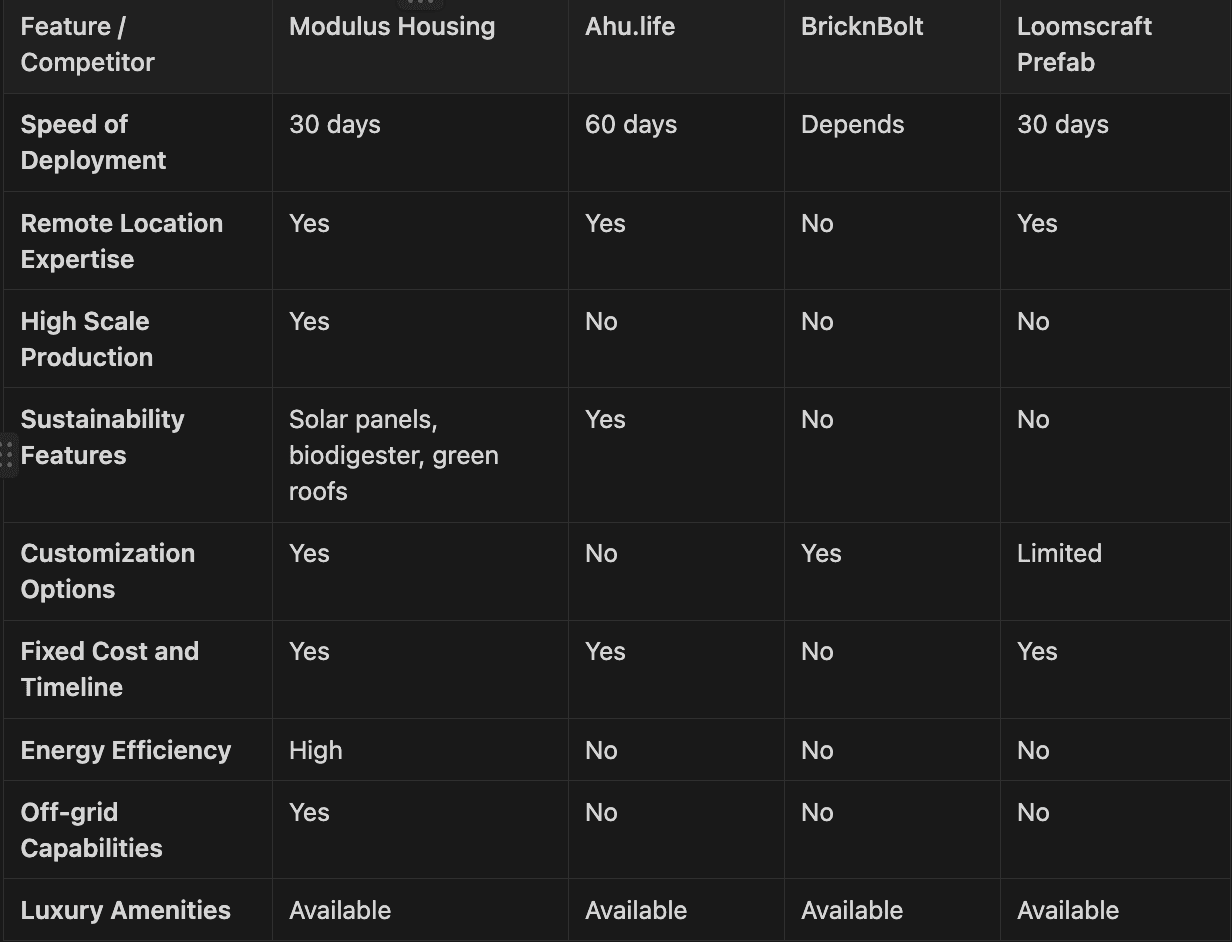
Features
Biodigesters: Transform organic waste into valuable biogas and nutrient-rich fertilizer, reducing waste and providing a renewable energy source for cooking and heating.
Grey and Black Water Recycling: Utilizes advanced filtration and treatment systems to recycle greywater (from sinks, and showers) and black water (from toilets) for irrigation and other non-potable uses, significantly reducing water consumption.
Green Roofs: Living plant layers installed on rooftops that provide insulation, reduce stormwater runoff, enhance biodiversity, and help cool buildings, contributing to lower energy costs and urban heat reduction. Wasn’t executed in the pilot.
Solar Panels: Convert sunlight into electricity, offering a clean, renewable energy source that can significantly reduce reliance on the grid and lower energy bills, ideal for powering remote and off-grid farmhouses.
Radiant Cooling Tubes: Circulate cool water through tubes embedded in floors or ceilings to absorb excess heat, providing efficient and comfortable cooling without the need for traditional air conditioning systems, further reducing energy consumption. Wasn’t executed in the pilot.
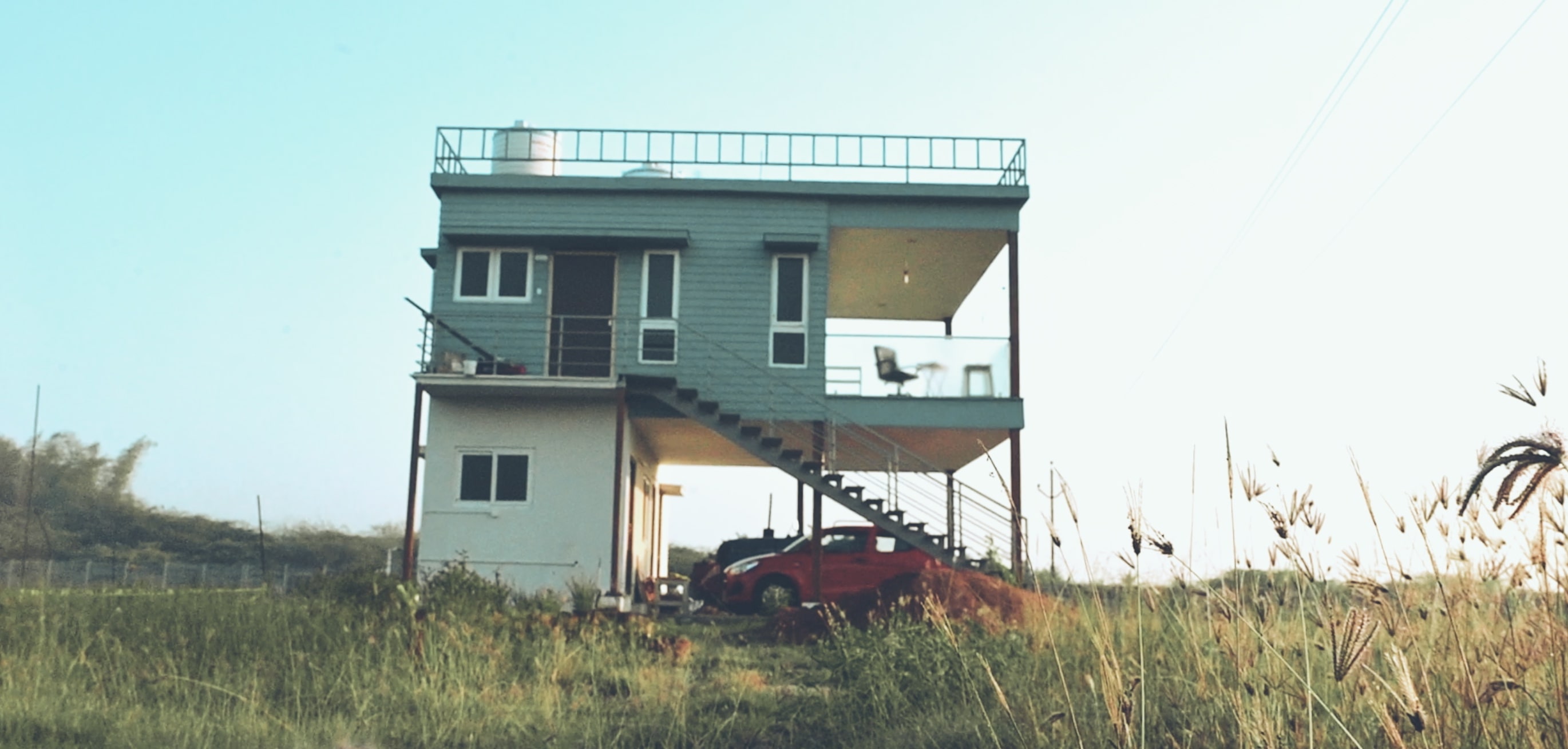
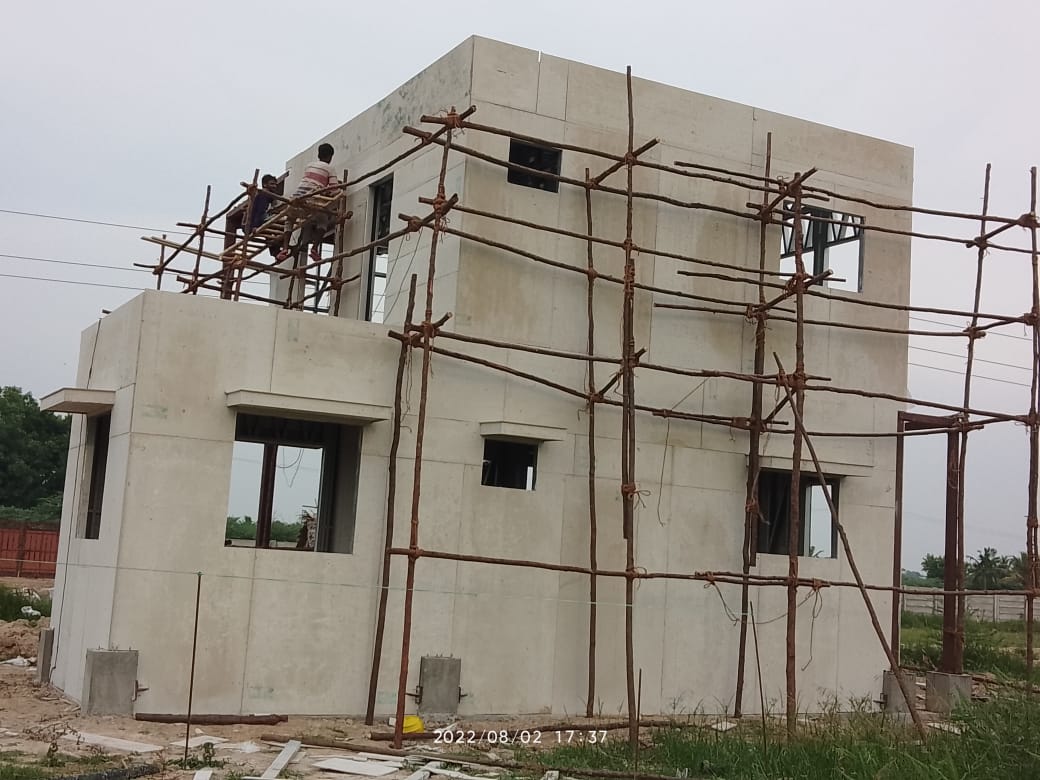
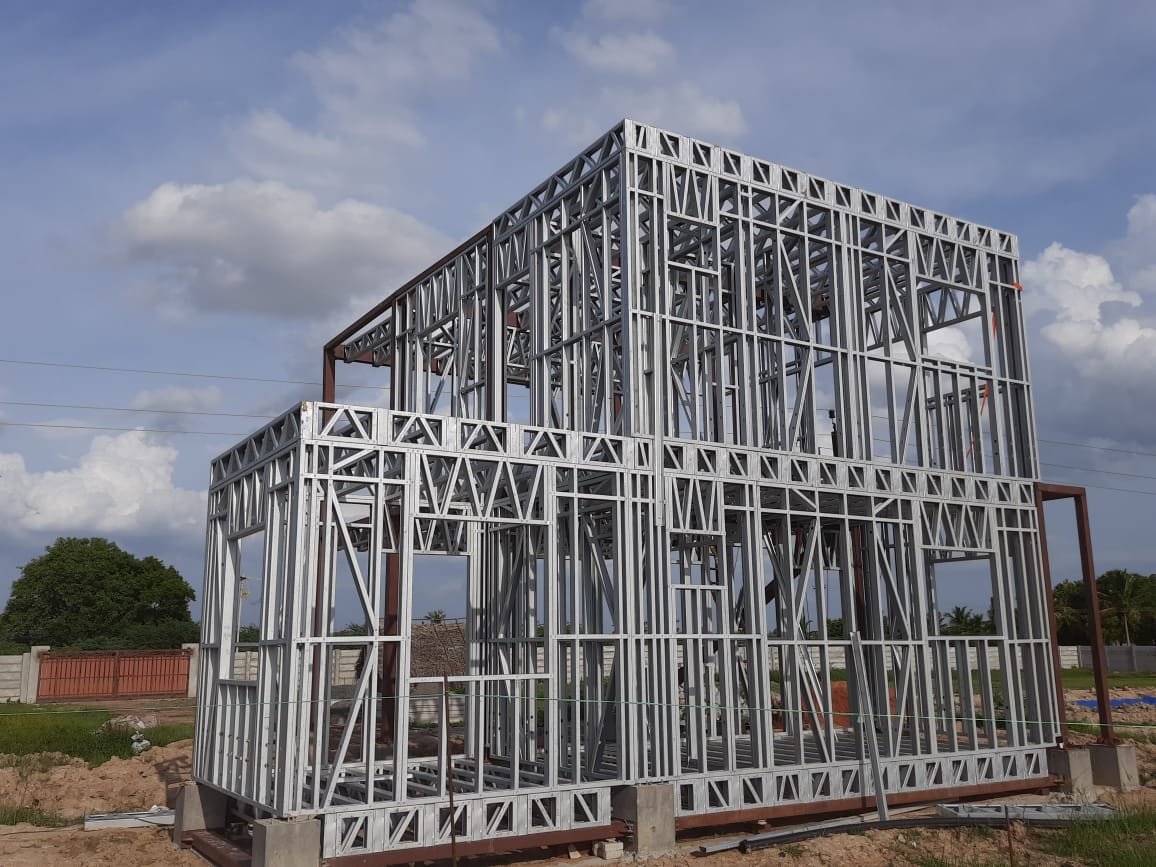
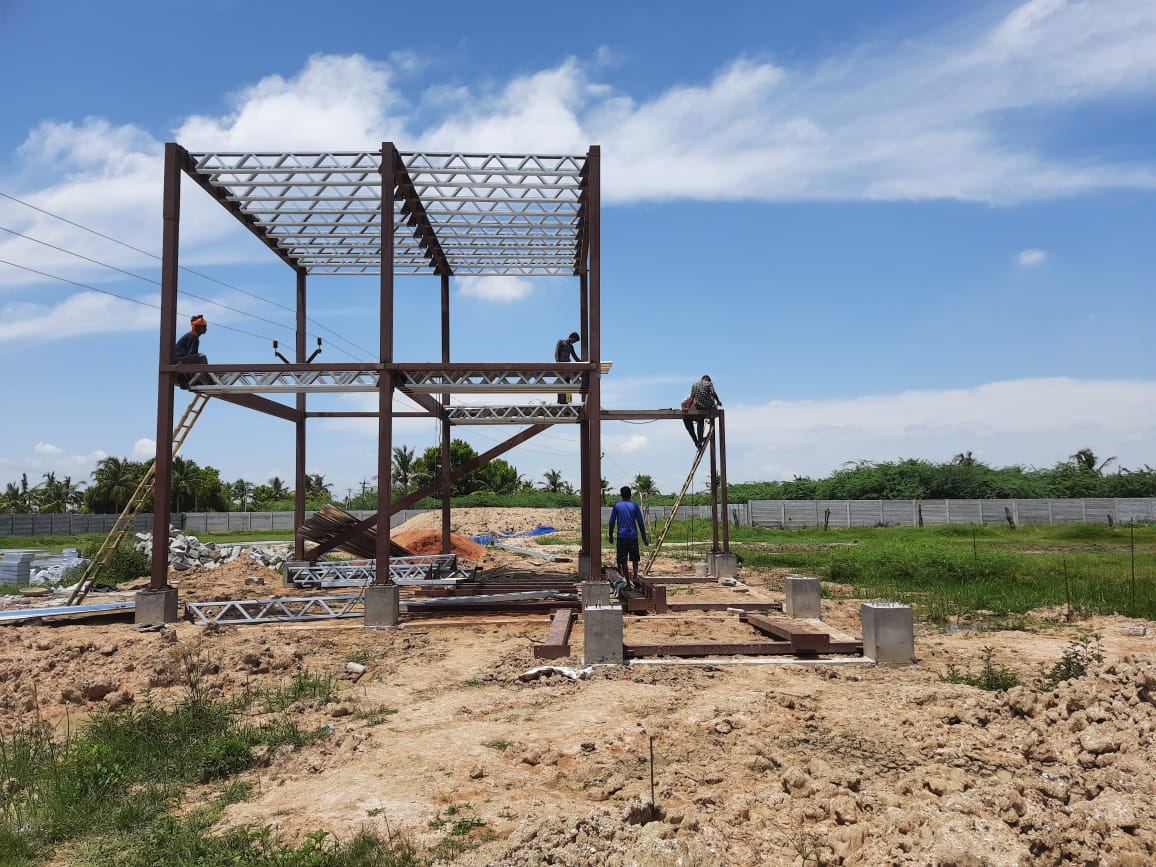
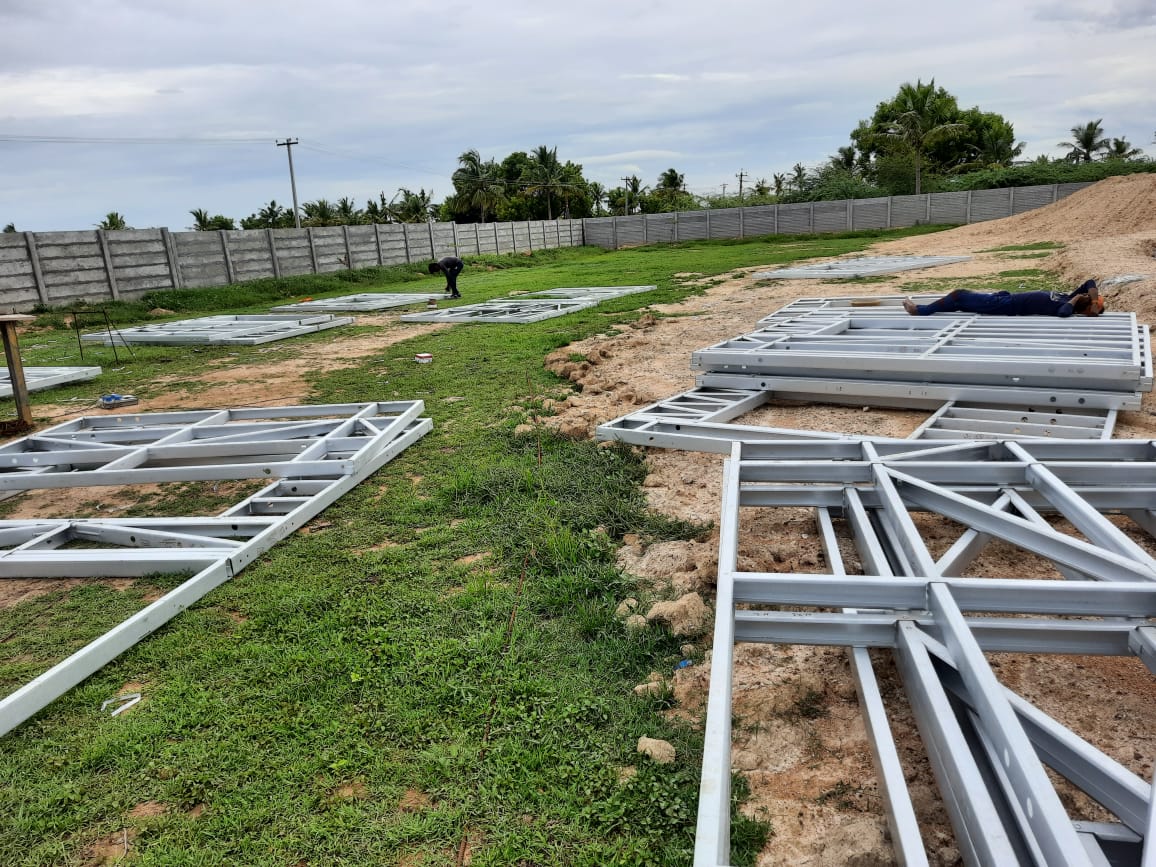
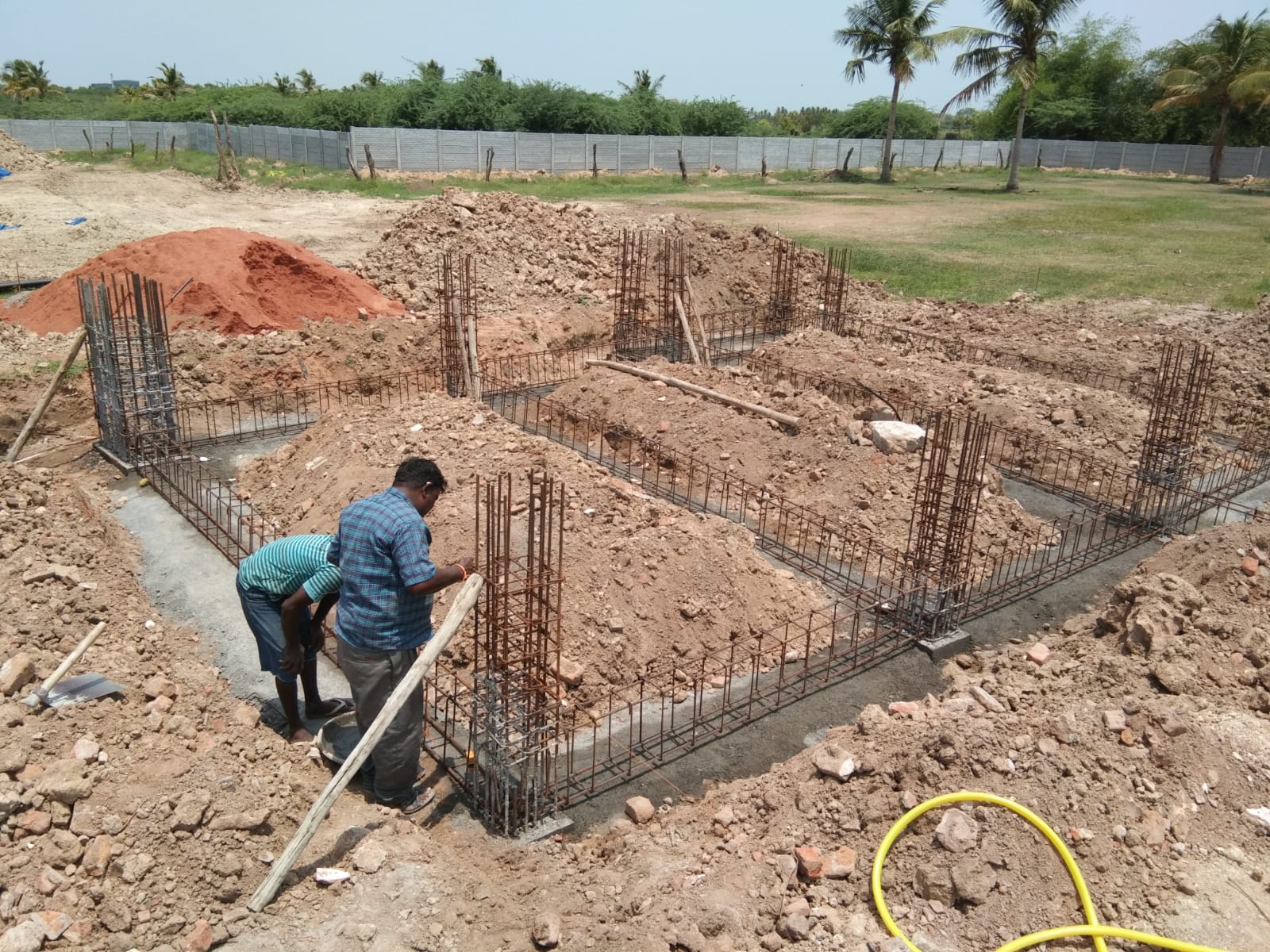
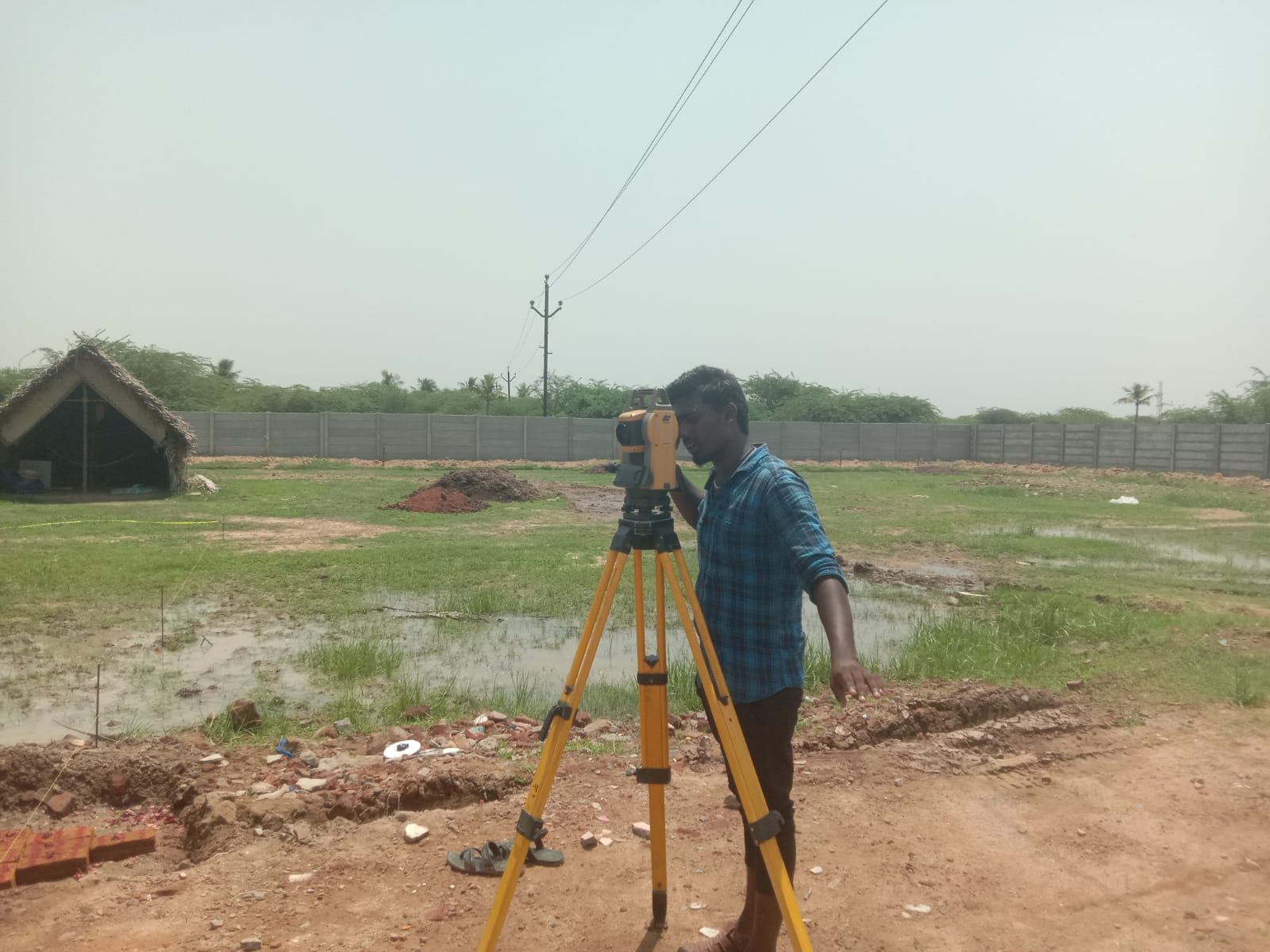
Pilot
Marketing and Sales
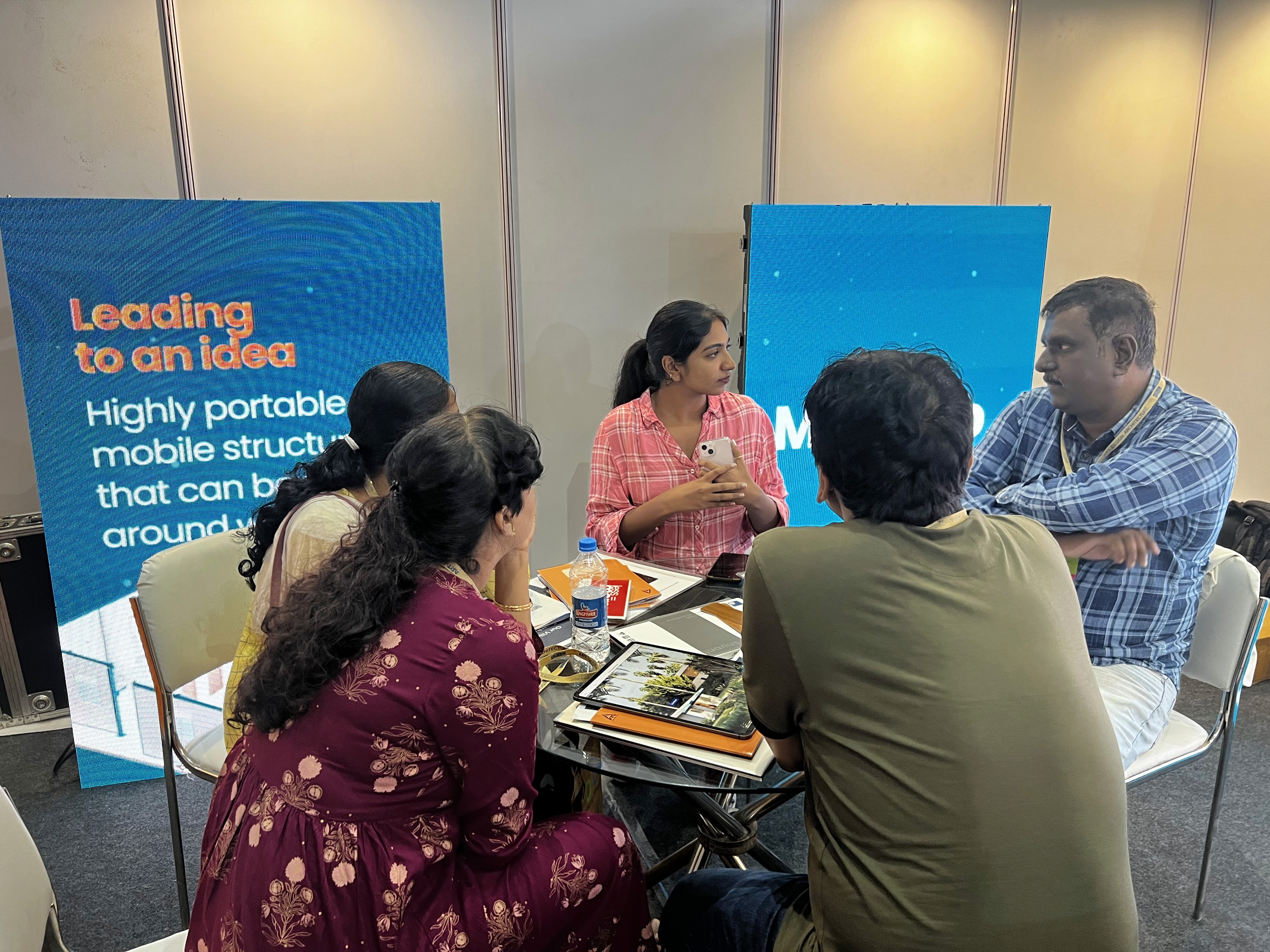
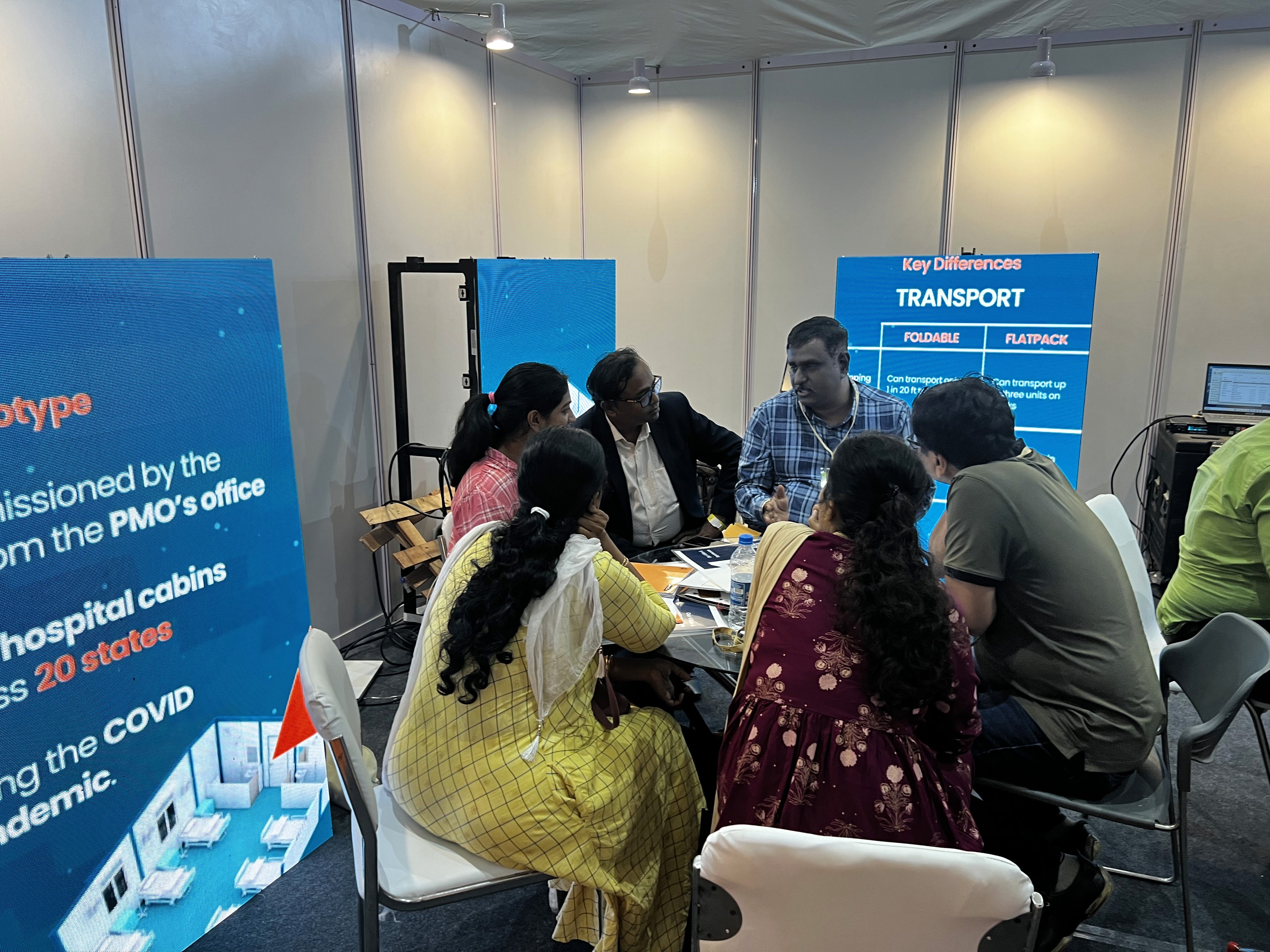
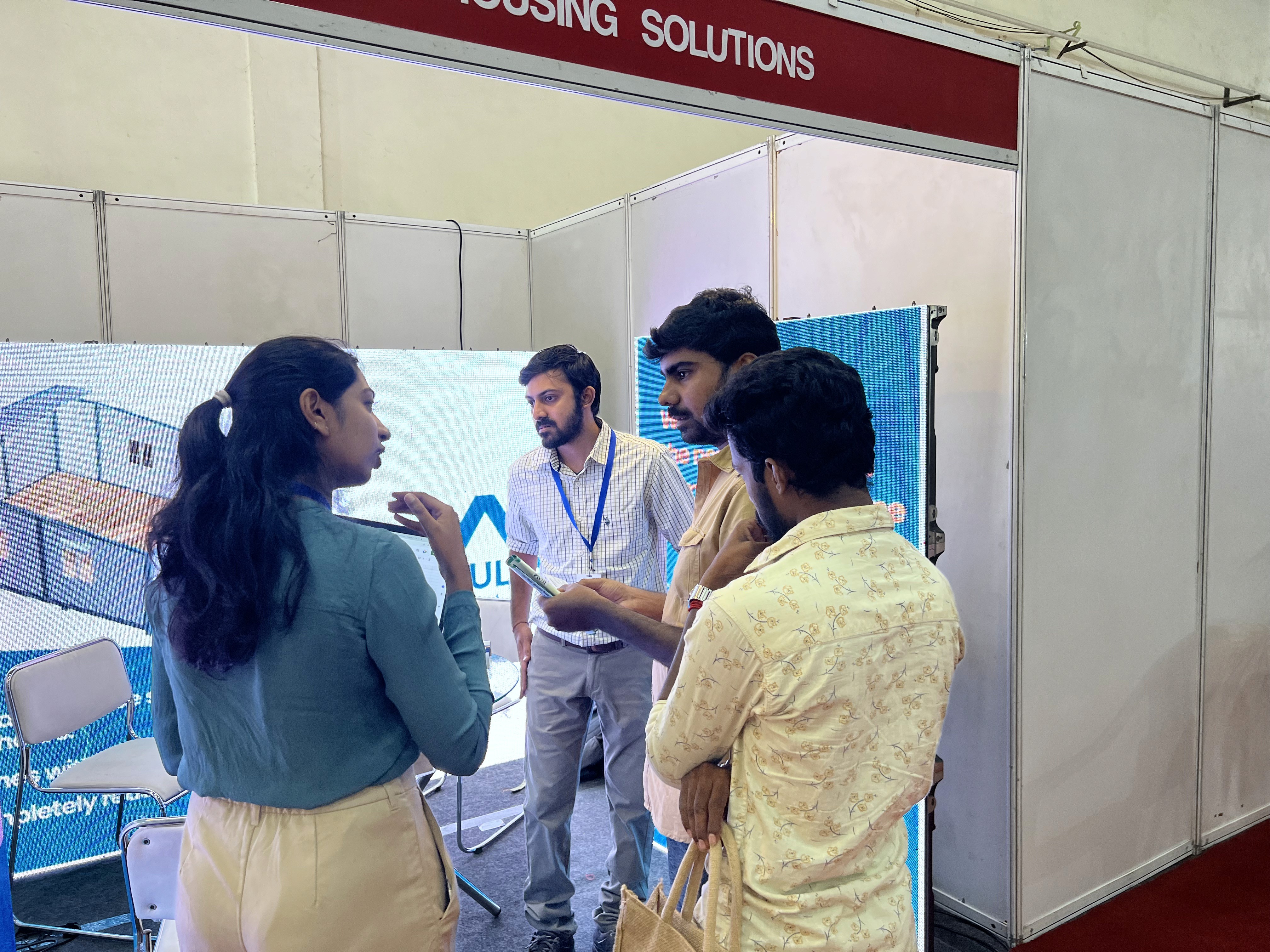
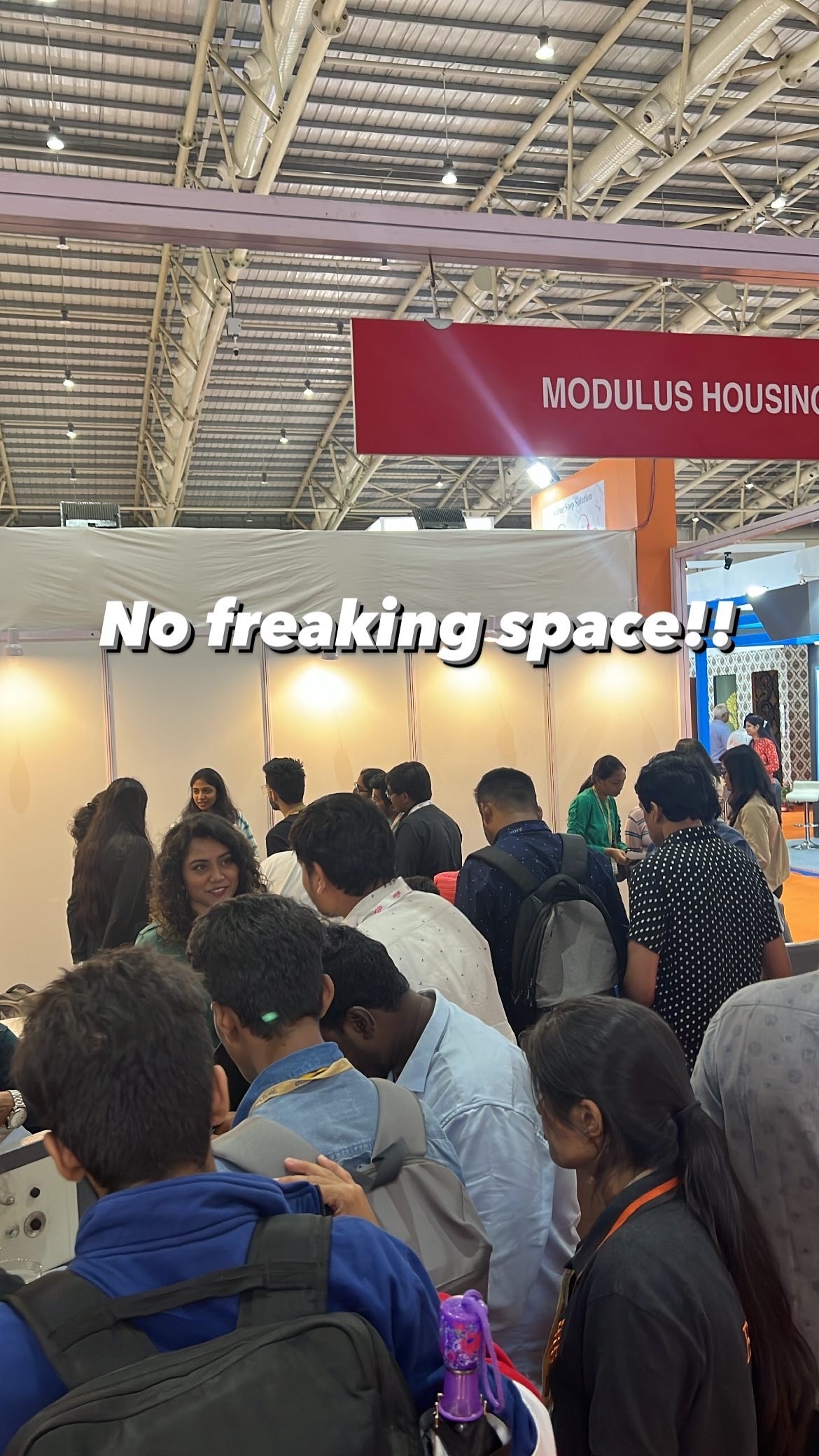
After the completion of the pilot in Kanchipuram, extensive inbound marketing efforts were made. To ensure the construction is easier for the operations team, Chennai and Bangalore were first chosen as the hub to start our marketing efforts.
Since this was also a new initiative from the company, we decided to completely focus on offline marketing. We set up stalls at Chennai Trade Centre and Bengaluru International Exhibition Centre at AEC expos.
Leading to 1158 lead inquiries, 138 qualified leads, and a business pipeline of close to INR 30 crores.
This also obtained considerable interest from Mr. Paul Lyngdoh, Meghalaya’s Tourism Minister, who’s considering our product for the “Meghalaya Tourism Homestay Scheme” worth Rs. 110 crores.
Attaching a few of our pics from the stalls:
Marketing video
Meghalaya Tourism Scheme